ITA
 ggi Henry Burgess senior è una figura quasi dimenticata, ma le poche testimonianze superstiti indicano che dovette godere di una reputazione non trascurabile nella Londra musicale della prima metà del Settecento. La sua presenza, nel 1739, tra i membri fondatori e governatori della Royal Society of Musicians lascia infatti intuire un musicista pienamente inserito negli ambienti professionali più autorevoli della capitale inglese. Le notizie biografiche rimangono scarse: nel testamento datato 7 marzo 1763 egli si definisce semplicemente “musician in the parish of St. Martin-in-the-Fields”. Anche il figlio, Henry Burgess junior, proseguì l’attività paterna come clavicembalista e compositore.
La principale testimonianza della sua produzione è rappresentata dalla raccolta A Collection of Lessons for the Harpsichord, Composed in an easy & familiar Style, pubblicata a Londra probabilmente tra la fine degli anni Quaranta e i primi anni Cinquanta del XVIII secolo. Il volume comprende otto suites per tastiera — denominate “Lessons” secondo la consuetudine inglese dell’epoca — e appartiene a quel raffinato repertorio domestico che caratterizzò la cultura musicale georgiana.
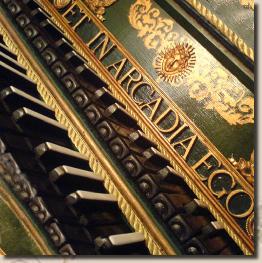
Dal punto di vista stilistico, queste pagine si collocano pienamente nel tardo barocco inglese: vi si riconosce ancora l’impronta di George Frideric Handel, soprattutto nell’equilibrio formale e nella cantabilità delle linee, ma filtrata attraverso una scrittura più raccolta, immediata e idiomatica per il clavicembalo. In questa registrazione il maestro Fernando De Luca presenta l’intero ciclo delle otto Lessons, interpretate sulla copia del clavicembalo francese Tibaut.
ENG
 lthough the name of Henry Burgess Sr. has largely disappeared from modern concert life, contemporary evidence suggests that he occupied a respected position within London’s musical milieu during the first half of the eighteenth century. His inclusion, in 1739, among the founding members and governors of the Royal Society of Musicians points to a musician of recognized professional standing. The few surviving documentary traces concerning him include his will of 7 March 1763, in which he identifies himself as “a musician in the parish of St. Martin-in-the-Fields”. His musical legacy also continued through his son, Henry Burgess Jr., active in turn as composer and harpsichordist.
Burgess’s principal surviving publication is the collection A Collection of Lessons for the Harpsichord, Composed in an easy & familiar Style, issued in London probably around the late 1740s or early 1750s. The set consists of eight keyboard suites — designated, according to English usage of the time, as “Lessons” — and belongs fully to the cultivated domestic repertory that flourished in Georgian England.
Stylistically, these works inhabit the world of the late English Baroque, preserving the elegance and clarity associated with George Frideric Handel while favouring concise forms and a direct, idiomatic keyboard language. In this recording, Fernando De Luca presents the complete cycle of all eight Lessons, performed on a copy of the Tibaut French harpsichord.
saladelcembalo.org
2026 May 25










 ggi Henry Burgess senior è una figura quasi dimenticata, ma le poche testimonianze superstiti indicano che dovette godere di una reputazione non trascurabile nella Londra musicale della prima metà del Settecento. La sua presenza, nel 1739, tra i membri fondatori e governatori della Royal Society of Musicians lascia infatti intuire un musicista pienamente inserito negli ambienti professionali più autorevoli della capitale inglese. Le notizie biografiche rimangono scarse: nel testamento datato 7 marzo 1763 egli si definisce semplicemente “musician in the parish of St. Martin-in-the-Fields”. Anche il figlio, Henry Burgess junior, proseguì l’attività paterna come clavicembalista e compositore.
 lthough the name of Henry Burgess Sr. has largely disappeared from modern concert life, contemporary evidence suggests that he occupied a respected position within London’s musical milieu during the first half of the eighteenth century. His inclusion, in 1739, among the founding members and governors of the Royal Society of Musicians points to a musician of recognized professional standing. The few surviving documentary traces concerning him include his will of 7 March 1763, in which he identifies himself as “a musician in the parish of St. Martin-in-the-Fields”. His musical legacy also continued through his son, Henry Burgess Jr., active in turn as composer and harpsichordist.